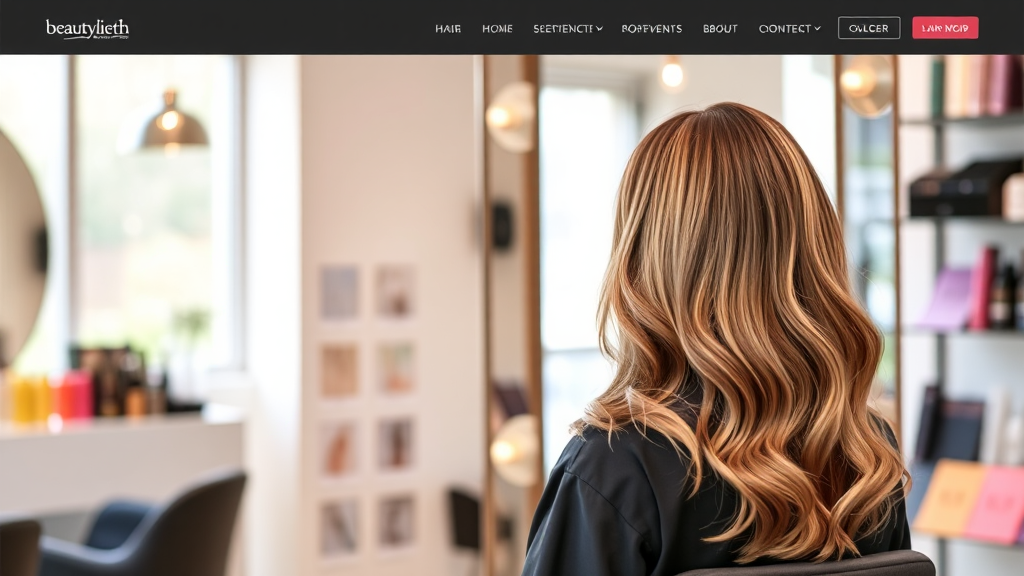
The Complete BeautyLiesTruth Hair Guide: Unlocking Your Hair’s True Potential
The Complete BeautyLiesTruth Hair Guide: Unlocking Your Hair’s True Potential
Your hair is more than just a collection of strands—it’s a reflection of your health, style, and personality. Yet, with countless products, styling tools, and conflicting advice, finding the right care routine can feel overwhelming. That’s where the BeautyLiesTruth hair guide comes in. This comprehensive resource is designed to help you understand your hair from the inside out, so you can make confident choices that lead to stronger, shinier, and more manageable locks.
In this article, we’ll explore the core principles of the BeautyLiesTruth hair guide, starting with how to identify your unique hair type and texture. We’ll then dive into building a personalized care routine, choosing the right products, and mastering styling techniques that work with your hair—not against it. Whether you’re dealing with frizz, dryness, or lackluster strands, this guide offers practical solutions backed by salon expertise. Let’s begin your journey to healthier, happier hair.
Why Understanding Your Hair Type Matters
One of the biggest mistakes people make is treating their hair the same way as everyone else’s. But just like skin, hair comes in a variety of types, each with its own needs and challenges. The BeautyLiesTruth hair guide emphasizes that knowing your hair type is the foundation of any effective hair care routine. It affects everything from the frequency of washing to the type of conditioners and styling products you should use.
For instance, fine hair tends to get oily quickly and can be weighed down by heavy products, while coarse hair often craves moisture and richer formulations. Curly hair may need extra hydration and gentle handling, whereas straight hair might require more volume-boosting techniques. By identifying your hair type, you can avoid the trial-and-error approach that often leads to damage and frustration. The guide encourages you to take a simple hair type quiz—like the one offered by Beauty Lies Truth—to get a personalized starting point. This small step can make a world of difference in how your hair looks and feels.
Decoding Hair Texture, Porosity, and Density
Beyond just classifying your hair as straight, wavy, curly, or coily, the BeautyLiesTruth hair guide dives deeper into three key characteristics: texture, porosity, and density. These factors determine how your hair behaves and how it responds to products and treatments.
Texture refers to the thickness of each individual strand. Fine hair is thin and delicate, medium hair is more resilient, and coarse hair is thick and strong. Your texture influences which products will be too heavy or too light for your hair.
Porosity is your hair’s ability to absorb and retain moisture. High-porosity hair has gaps in the cuticle, making it prone to frizz and tangling but also great at absorbing moisture—though it loses it quickly. Low-porosity hair has tightly bound cuticles, making it resistant to moisture but excellent at retaining it once absorbed. Understanding your porosity helps you choose the right hydrating ingredients and avoid buildup.
Density is the number of hair strands on your scalp. High-density hair looks full and thick, while low-density hair may appear thinner. Density affects how much product you need and which hairstyles will flatter you most. By evaluating all three, you can tailor your routine to meet your hair’s exact needs.
Building a Personalized Hair Care Routine
Once you’ve identified your hair type and its unique characteristics, it’s time to build a routine that works for you. The BeautyLiesTruth hair guide suggests a simple yet effective framework: cleanse, condition, and treat—with adjustments based on your hair’s needs.
Start with a gentle shampoo that suits your scalp type. If you have oily hair, you might need a clarifying shampoo once a week. Dry or damaged hair benefits from sulfate-free formulas that don’t strip natural oils. Follow with a conditioner that matches your hair’s texture—lighter formulas for fine hair, richer creams for thick or curly hair. Leave-in conditioners and hair masks can provide extra hydration and repair.
Don’t forget the scalp! A healthy scalp is the foundation for healthy hair growth. Incorporate a scalp scrub or massage into your routine to stimulate circulation and remove buildup. Finally, protect your hair from heat and environmental damage by using a heat protectant spray before styling and wearing a hat in harsh sun. Consistency is key—give your routine at least four to six weeks to show results.
Choosing the Right Products: Ingredients That Work
The beauty market is flooded with hair products, but not all are created equal. The BeautyLiesTruth hair guide advises looking beyond trendy packaging and focusing on ingredients that genuinely benefit your hair type.
For dry or damaged hair, seek out products containing argan oil, shea butter, and keratin—these help to nourish and strengthen. If you have fine hair, opt for lightweight volumizing ingredients like rice protein, biotin, and panthenol. Curly and coily hair thrives with glycerin, aloe vera, and coconut oil, which provide moisture and definition. For color-treated hair, look for sulfate-free formulas with UV filters to prevent fading.
Avoid harsh sulfates, which can strip natural oils, and silicones that can cause buildup over time. Instead, choose products labeled “clarifying” or “purifying” for occasional deep cleans. Remember that your hair’s needs can change with seasons, hormonal shifts, or stress—so be open to adjusting your product lineup. When in doubt, consult a professional stylist, like those at Beauty Lies Truth, who can recommend products tailored to your specific hair profile.
Styling Techniques That Enhance Your Natural Hair
Styling your hair should be an expression of your personality, not a battle against your natural texture. The BeautyLiesTruth hair guide encourages you to work with your hair’s natural tendencies to achieve effortless, beautiful results.
For straight hair, try adding waves with a curling iron or braiding damp hair overnight for heatless waves. Wavy hair can be enhanced with sea salt sprays to boost texture. Curly hair benefits from the “plopping” method—using a t-shirt to dry curls gently—and diffusing on low heat to reduce frizz. Coily hair can be styled in protective styles like twists or braids to retain moisture and prevent breakage.
Always use the right tools for your hair type. Wide-tooth combs are great for detangling wet curls, while boar bristle brushes distribute natural oils along straight strands. When using heat tools, set them to a lower temperature and always use a heat protectant. Learn a few techniques for updos, braids, and buns that work with your hair length and texture—these can save you time and reduce heat exposure.
Common Hair Problems and How to Solve Them
Even with a solid routine, you may encounter common hair issues like frizz, split ends, or excessive shedding. The BeautyLiesTruth hair guide addresses these problems with practical solutions.
Frizz is often caused by moisture imbalance or humidity. Use a hydrating shampoo and conditioner, and apply a leave-in cream or oil to seal the cuticle. Avoid rubbing hair with a towel; instead, gently squeeze out excess water and air-dry or use a microfiber towel.
Split ends are a sign of damage. The only true fix is a trim, but you can prevent them by reducing heat styling, avoiding tight hairstyles, and using a weekly deep-conditioning mask. Regular trims every 6–8 weeks keep ends healthy.
Shedding can be normal, but if you notice excessive hair loss, it might be due to stress, diet, or hormonal changes. Incorporate a balanced diet rich in protein, iron, and vitamins, and consider a scalp treatment to promote circulation. If shedding persists, consult a dermatologist or trichologist.
Remember that your hair’s condition is a reflection of your overall health. Stay hydrated, manage stress, and get enough sleep—these lifestyle factors play a huge role in how your hair looks.
Frequently Asked Questions (FAQ)
How often should I wash my hair?
It depends on your hair type and scalp oiliness. Generally, washing 2–3 times a week is sufficient for most people. If you have very oily hair, you may need daily washing with a gentle shampoo. Curly and coily hair can go longer between washes—up to once a week—as they tend to be drier.
What is the best way to dry my hair to prevent damage?
Air-drying is the gentlest method. If you need to use a blow dryer, set it on low heat and keep it moving to avoid concentrating heat on one spot. Always apply a heat protectant beforehand. Patting hair dry with a microfiber towel or an old t-shirt reduces friction and frizz.
Can I repair split ends without cutting them?
No, split ends cannot be truly repaired; the only effective remedy is trimming them off. However, you can prevent further damage by using heat protectants, avoiding harsh brushing, and getting regular trims every 6–8 weeks.
How can I determine my hair porosity at home?
Take a strand of clean, dry hair and drop it into a glass of water. If it floats for a few minutes before sinking, you have low porosity. If it sinks immediately, you have high porosity. If it hovers in the middle, you have medium porosity. This simple test gives you insight into how your hair absorbs moisture.
Is it necessary to use a hair mask every week?
Not necessarily, but weekly deep conditioning can benefit dry, damaged, or curly hair. If your hair is fine or oily, you might prefer a lighter leave-in conditioner instead. Listen to your hair—if it feels brittle or dry, a mask can help restore softness and shine.
Conclusion: Embrace Your Hair with Confidence
Your hair is uniquely yours, and with the right knowledge, you can make it look and feel its best. The BeautyLiesTruth hair guide is more than just a set of tips—it’s a philosophy that encourages you to understand and embrace your natural beauty. By identifying your hair type, choosing the right products, and adopting healthy styling habits, you can transform your hair care routine from a chore into a self-care ritual.
Remember, there’s no one-size-fits-all solution. Experiment, be patient, and don’t be afraid to seek professional advice. Whether you’re preparing for a big event or simply want to improve your daily look, the principles in this guide will help you achieve the healthy, radiant hair you deserve. Start your journey today, and let your hair tell the truth of its beauty.
Leave a Reply