Discover Your Signature Shade: Smart Ways to Find Your Best Colors
Discover Your Signature Shade: Smart Ways to Find Your Best Colors
Have you ever stared at your closet full of clothes and felt like nothing truly flatters you? Or tried on a top that looked stunning on the hanger, only to make your complexion look dull? You’re not alone. The secret to looking effortlessly put-together isn’t just about following trends—it’s about wearing colors that harmonize with your natural features. Fortunately, there are practical and even scientific ways to find your best colors without guessing. Whether you’re preparing for a big event, updating your wardrobe, or just curious about your palette, this guide will walk you through proven methods to uncover the hues that make you glow.
Why Your Best Colors Matter More Than You Think
Color is one of the first things people notice about you. The right shade can brighten your eyes, even out your skin tone, and give you an instant healthy glow. The wrong one can make you look tired or washed out. This isn’t about vanity—it’s about understanding your unique coloring. When you wear colors that align with your undertone, you project confidence and vitality. Moreover, knowing your palette simplifies shopping, saves money, and reduces decision fatigue. You’ll walk into any store with clarity, skipping the trial-and-error that often leads to impulse buys that never get worn.
Beyond aesthetics, color psychology suggests that the hues you wear can influence how others perceive you. Warm, earthy tones might make you seem approachable, while cool jewel tones can convey sophistication. By intentionally choosing your palette, you’re not just dressing your body—you’re dressing your personal brand. So, let’s dive into the most effective strategies to pinpoint your perfect colors.
The Classic Undertone Test: Warm, Cool, or Neutral?
The foundation of color analysis lies in determining your skin’s undertone. Undertone is the subtle hue beneath the surface of your skin, and it remains constant regardless of tanning or seasonal changes. There are three main categories: warm (yellow, peachy, golden), cool (pink, red, bluish), and neutral (a mix of both). Here are three simple tests you can do at home:
- The Vein Test: Look at the veins on the inside of your wrist in natural light. If they appear greenish, you likely have a warm undertone. If they look blue or purple, a cool undertone is more probable. A mix of both suggests neutral.
- The Jewelry Test: Hold a piece of gold jewelry against your skin, then silver. Which one makes your skin look more radiant? Gold typically flatters warm undertones, while silver enhances cool undertones. If both look equally good, you’re probably neutral.
- The White Paper Test: Place a plain white sheet of paper next to your bare face. If your skin looks yellowish next to the paper, you’re warm. If it looks pinkish or rosy, you’re cool. If your skin seems grayish, you’re neutral.
Once you know your undertone, you can start narrowing down your best color families. Warm undertones shine in earthy shades like olive, rust, and mustard, while cool undertones pop in jewel tones like emerald, sapphire, and magenta. Neutrals have the flexibility to pull off a wider range, but often look best in soft, muted tones.
Seasonal Color Analysis: The Four-Season Framework
Seasonal color analysis is a popular system that categorizes individuals into four main seasons—Spring, Summer, Autumn, and Winter—based on their undertone, hair color, and eye color. Each season has a specific palette that is said to be the most harmonious. Here’s a quick overview:
- Spring: Warm undertone, light to medium hair, and bright eyes. Best colors include peach, coral, warm yellow, and light green.
- Summer: Cool undertone, ash-toned hair, and soft eyes. Best colors include dusty rose, lavender, soft blue, and rose brown.
- Autumn: Warm undertone, red or golden hair, and warm eyes. Best colors include olive, rust, mustard, and terracotta.
- Winter: Cool undertone, dark hair, and deep eyes. Best colors include black, white, royal blue, and hot pink.
While this system is a great starting point, many people find that they don’t fit perfectly into one season. That’s okay—modern color analysis often uses expanded systems with 12 or even 16 seasons to account for subtle variations. If you’re curious about your season, there are online quizzes and professional consultants who can guide you. For a quick and fun assessment, consider taking the BeautyLiesTruth color guide quiz, which offers personalized suggestions based on your answers.
Digital Tools and Apps for Instant Analysis
Thanks to technology, you don’t need a professional stylist to find your best colors. Numerous apps and websites use artificial intelligence to analyze your skin tone from a selfie and suggest a palette. These tools are convenient and surprisingly accurate. They work by detecting the dominant hues in your skin, hair, and eyes, then matching them to a color wheel.
When using digital tools, keep a few tips in mind: take the photo in natural daylight, avoid wearing makeup, and ensure your hair is pulled back. This gives the algorithm the most accurate data. Some apps even allow you to upload multiple photos to get a more consistent result. While these tools are helpful, they shouldn’t replace your own judgment. Use them as a guide, but always trust what you see in the mirror.
Another great digital resource is the color palette generator, which lets you input your best-known colors and then suggests complementary shades. This is especially useful if you already have a few colors you love and want to expand your wardrobe cohesively.
Draping: The Professional Method
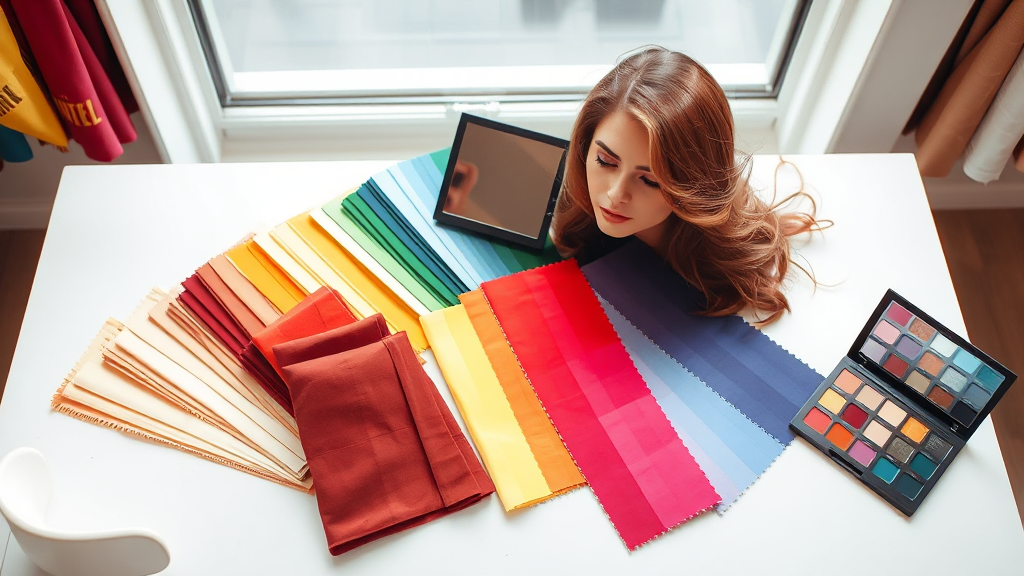
If you want the most precise results, consider booking a professional color analysis session. During a session, a consultant will drape you with dozens of fabric swatches in various colors and observe how each affects your skin. This process, known as draping, is the gold standard in color analysis. It takes into account not just your undertone, but also your eye color, hair color, and even the contrast between them.
Professional draping can be done in person or virtually. In-person sessions allow the consultant to see your skin in natural light and test different textures. Virtual sessions use high-quality video calls and digital swatches. Both methods are effective, but in-person is often more immersive. The cost varies, but many salons offer this service as part of a styling package. If you’re serious about finding your ultimate palette, this investment is worth it.
How to Build a Capsule Wardrobe Around Your Best Colors
Once you’ve identified your best colors, the next step is to integrate them into your wardrobe. A capsule wardrobe—a collection of versatile pieces that can be mixed and matched—is a fantastic way to make the most of your palette. Start by sorting your current clothes into categories: keep, donate, and maybe. For the keep pile, focus on items that fall within your color family. For the donate pile, let go of colors that consistently make you feel washed out.
When shopping, use your palette as a checklist. Look for pieces in your best shades, and don’t be afraid to experiment with different textures and patterns within that palette. For example, if you’re a Summer, you might choose a dusty blue sweater, a rose pink blouse, and a lavender scarf. These can be paired with neutral basics like white, gray, or navy. The goal is to create a cohesive wardrobe where every piece works together, making getting dressed a breeze.
Remember, your best colors aren’t just for clothing—they apply to makeup, hair color, and even accessories. A lipstick in your perfect shade can brighten your entire face, while a hair color that matches your undertone can make you look more vibrant. So, take the time to explore all aspects of your color palette.
Common Mistakes to Avoid in Color Selection
Even with all this knowledge, it’s easy to fall into common traps. One mistake is relying solely on the season system without considering your personal preferences. You might be an Autumn, but if you love the cool tones of Winter, you can still wear them in moderation—just pair them with warm accessories to balance. Another mistake is ignoring the effect of lighting. A color that looks great in the store’s fluorescent light might look completely different in natural sunlight. Always check colors in natural light before making a purchase.
Also, don’t forget that your hair color and skin tone can change over time (due to aging, sun exposure, or dyeing your hair). What worked in your twenties might not work in your forties. Re-evaluate your palette every few years to ensure it still suits you. Finally, don’t be too rigid. Rules are meant to be broken—if a color makes you happy, wear it, regardless of whether it’s in your “official” palette. Confidence is the best accessory.
Frequently Asked Questions
Can I wear colors outside my seasonal palette?
Absolutely. Seasonal palettes are guidelines, not strict rules. You can wear any color you like, but if you want to ensure it flatters you, try to choose shades that are in the same temperature family. For example, if you’re warm-toned, opt for warm reds over blue-reds. If you’re cool-toned, choose cool blues over yellow-greens.
How often should I redo my color analysis?
It’s a good idea to reassess your palette every 3-5 years, or whenever you make a major change to your hair color or if your skin tone shifts significantly (such as after pregnancy or significant weight loss). Your undertone rarely changes, but the intensity and contrast of your features can.
What if I have neutral undertones?
Neutral undertones are lucky—you can wear both warm and cool colors. However, you may find that you look best in muted, desaturated shades rather than very bright or very dark ones. Experiment to see which hues make you feel most confident.
Are online color analysis quizzes reliable?
Online quizzes can be a fun starting point, but they are not as precise as professional analysis. They rely on self-reported information, which can be subjective. For the most accurate results, use a combination of digital tools, undertone tests, and perhaps a professional consultation.
Conclusion: Embrace Your Unique Palette
Finding your best colors is a journey of self-discovery. It’s about understanding your natural beauty and using color to enhance it. Whether you choose to use the undertone test, seasonal analysis, digital apps, or professional draping, the key is to approach it with curiosity and an open mind. Remember, the ultimate goal is to wear colors that make you feel like the best version of yourself. So go ahead, experiment, and have fun with color. Your signature shade is waiting to be discovered.
Leave a Reply